It seems like a new AI chatbot appears every other day, right? They’re everywhere, helping us compose emails, update programming, and even plan a seven-day trip to Italy. They make excellent personal assistants.
This post lists the finest free AI chatbot solutions available right now. But there’s a catch: while these free apps are fantastic for your personal to-do list, they fall short when used for business, particularly customer assistance.
We’ll look at the best free solutions, but more importantly, we’ll discuss why and when you should upgrade to a tool designed specifically for business.
What Is a Free AI Chatbot?
A free AI chatbot is a smart software that can be added to your ecommerce website to communicate with clients around the clock, without the need for a human. It provides immediate answers to popular questions (such as “Where’s my order?”, “Do you have this in large?”, or “What’s the return policy?”), monitors stock or order status, recommends products, and assists customers in completing purchases.
The “free” element refers to a solid beginner plan with no upfront costs, as well as enough messages and basic capabilities for small to medium-sized businesses to manage the majority of assistance without paying.
What exactly is a free AI chatbot?
Let us quickly break it down. An AI chatbot is a clever program that communicates with you using a Large Language Model (LLM) in a way that is surprisingly humanlike. You input a question, it interprets what you mean, and it responds.
The “free” part usually indicates that you will have restricted access to a more powerful, premium product. These free versions are ideal for obtaining a sense of what AI can accomplish, and most people use them to generate ideas, conduct fast research, or seek assistance with a difficult piece of code.
How we picked the best free AI chatbot tools
To determine which tools are genuinely worth your time, I did not simply hunt for the “smartest” option. I concentrated on what is most important for day-to-day use.
Ease of Use: How quickly can you jump in and get something useful out of it? Is it straightforward or do you need a manual?
Core Features: What can you actually do with the free version? Can it write, research, or make images?
The Catch: What are the limits? We’re talking about how many messages you can send, what features are locked away, and, crucially, how they handle your data.
Business-Ready?: Could you realistically use this for work, especially for talking to customers?
7 best free AI chatbot tools for personal tasks
These tools are quite outstanding for no cost. Let’s look at what makes each one great for personal projects and where the flaws begin to appear for commercial applications.
1. ChatGPT
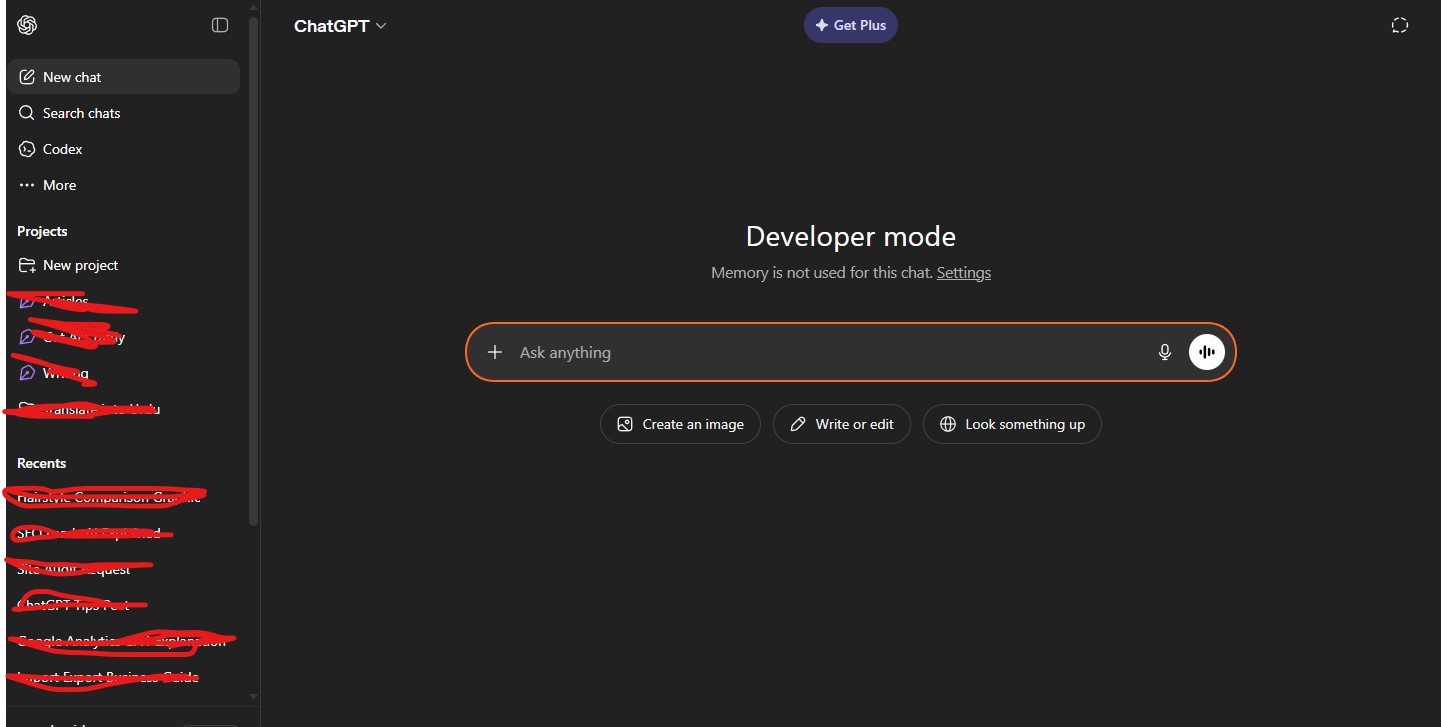
You’re familiar with this one. ChatGPT is what started the conversation about AI in the first place, and it’s still popular for a reason. It’s ideal for brainstorming, writing nearly any type of content, and receiving speedy responses.
Pros: It’s quite easy to use, feels extremely natural to converse with, and offers restricted access to OpenAI’s best model, GPT-4o, in the free edition.
Cons: The superior model will quickly reach its usage limit. Because the default GPT-3.5 model uses outdated data, the website may become extremely slow during peak traffic.
2. Google Gemini
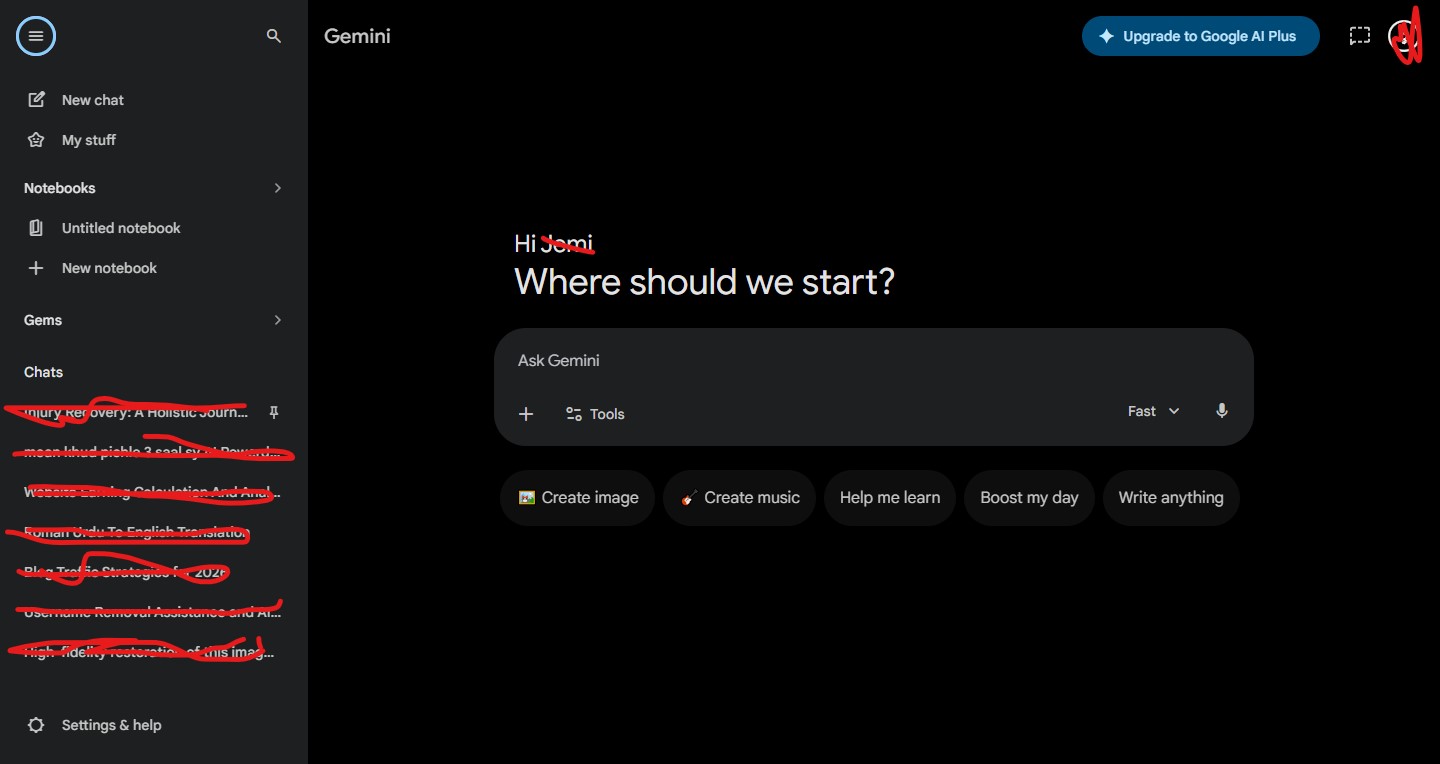
Google’s response to Google Gemini is this. Its useful integrations with Workspace programs like Docs and Gmail, as well as its live link to Google Search, are its true strengths.
Pros: When you need the most recent information, it’s excellent for research. You can start writing a report directly within a Google Doc or ask it to summarize recent emails.
Cons: Its creative writing occasionally seems a little robotic in comparison to the others, and the quality of its responses can fluctuate.
3. Claude
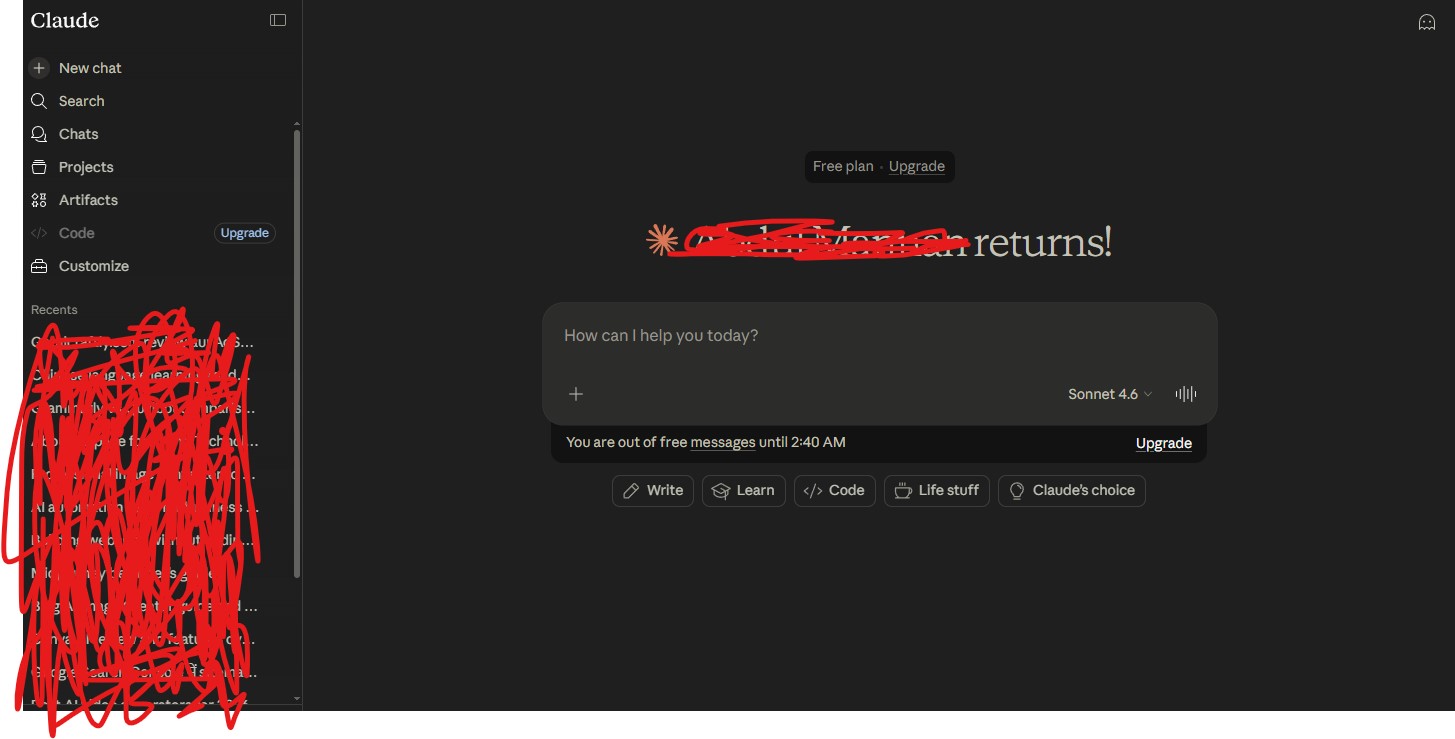
Claude is known for its organic, human-like writing style. It’s usually your best option if you need to draft anything with a particular tone or some subtlety. Additionally, it excels at evaluating lengthy papers that you upload.
Pros: It generates polished, high-quality writing. It includes robust safety safeguards to prevent strange reactions and is excellent for setting the perfect tone.
Cons: It is very easy to use up your free message limit, and it is unable to access the live internet.
4. Microsoft Copilot
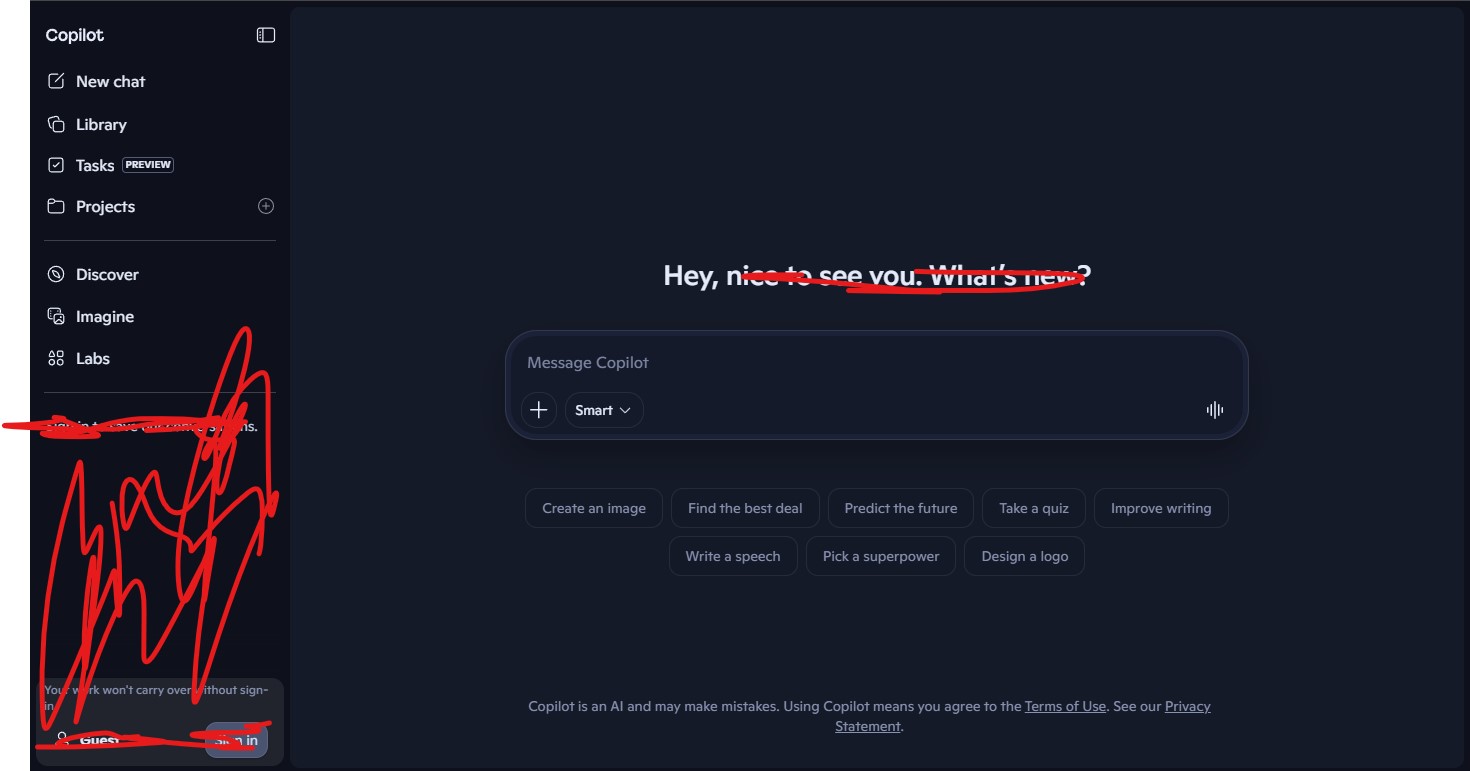
AI from Microsoft is integrated into Windows and the Edge web browser. Giving people free access to high-end gadgets like the GPT-4 and the DALL-E 3 picture generator is its most notable feature.
Pros: A major benefit is being able to generate high-quality images for free. When it retrieves information from the internet, it also displays its sources.
Cons: Because it’s packed inside other applications, the experience can feel a little cluttered and less focused than a single chat app.
5. Perplexity
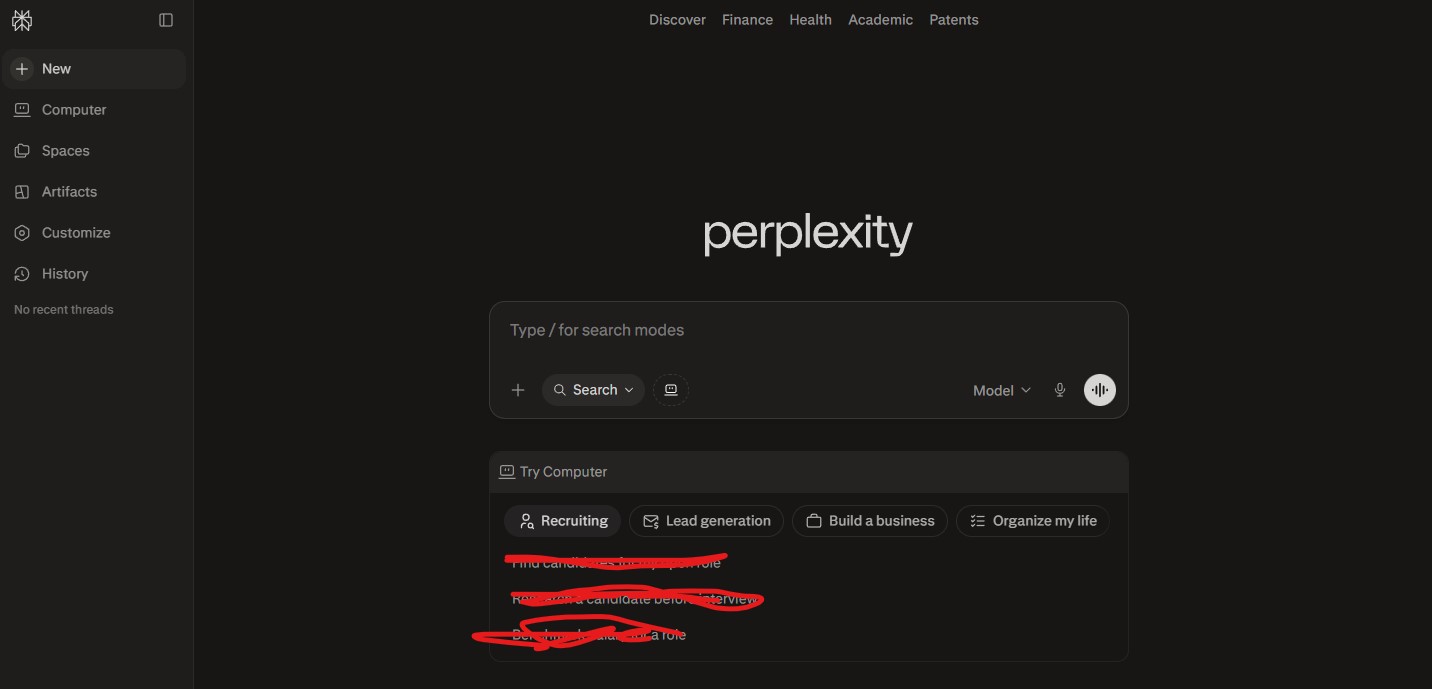
Perplexity was designed to accomplish one thing very well: provide precise, factual responses supported by references. It’s a direct reaction to the “hallucination” issue, in which other AIs occasionally invent things.
Pros: For questions based on facts, it is very accurate. It is simple to trust and confirm the information when you see the source links.
Cons: Don’t ask it to write a poem or try to have a casual conversation. The answers are direct, dry, and concise.
6. QuillBot AI Chat
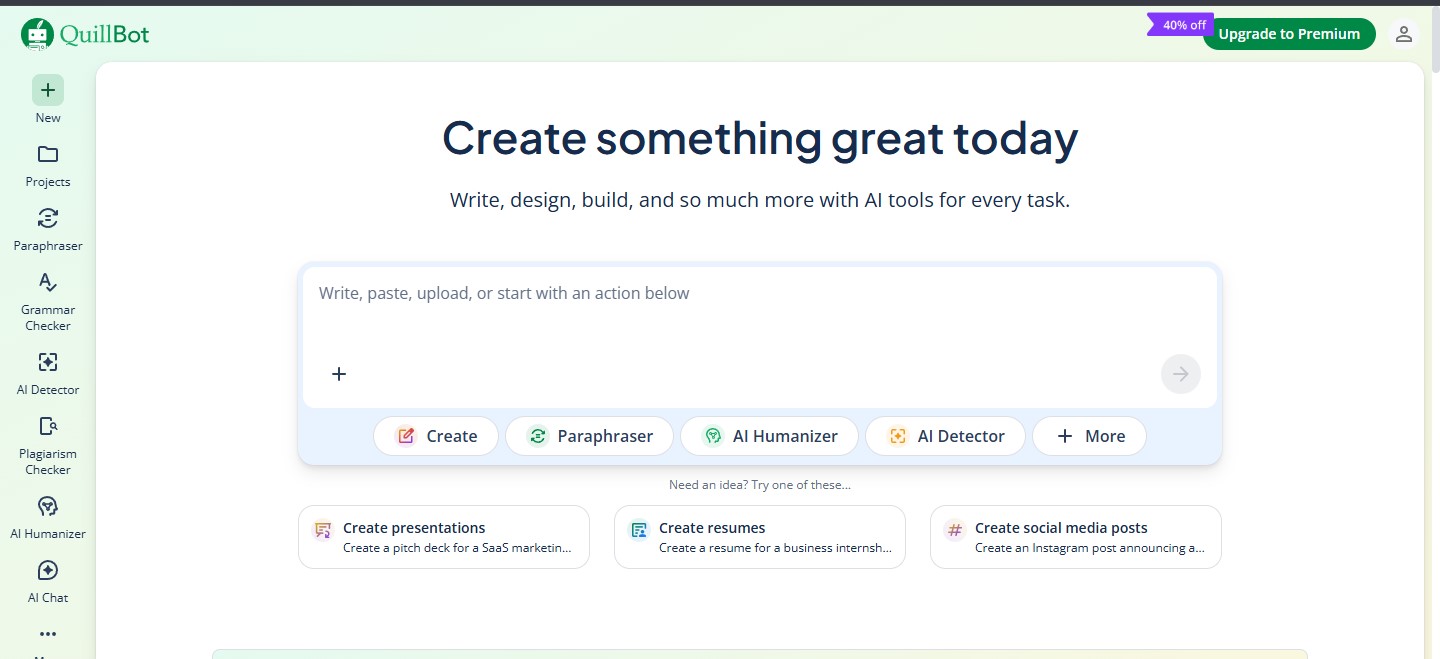
This chatbot, which is a part of a broader set of writing tools, performs best when it is assisting you in refining previously written content. Consider it an editor rather than a maker.
Pros: It is an excellent tool for academic and professional writing. There are no advertisements and the interface is tidy.
Cons: It’s not a very good conversationalist. It’s more of a specialist tool; you can’t really have a back-and-forth conversation with it.
7. Poe by Quora
Quora is a little different. It lacks an AI model of its own. Rather, it’s a portal that allows you to communicate with numerous models from OpenAI, Google, Anthropic, and other companies in one location.
Pros: It’s the simplest way to observe how various AI models respond to the same question. Additionally, the community has created specialized bots.
Cons: You will quickly run out of credits in the free version because the daily message restrictions are so little and dispersed throughout all the bots.
Personal Experience
I have been using these AI chatbots for the last year, and my experience with every chatbot has been very good. My work has become much easier, and my lifestyle has become trendy. Overall, all AI chatbots are excellent for research. I would give these chatbots a 10/10.
The problem: Why a generic free AI chatbot fails your business
After using all of these tools for a while, a distinct pattern emerged. They work incredibly well for personal productivity, but for serious corporate use, they fall short, and for the same reasons every time.
A free AI chatbot doesn’t know your business
These tools have no understanding what products you sell, what your return policy is, or what common issues your customers have. Their responses are taken from the public internet, making them generic, distant from your organization, and frequently incorrect.
A free AI chatbot can’t connect to your other tools
They live in their own little universe. A decent support bot should communicate with your helpdesk, such as Freshdesk, retrieve information from your internal wikis in Confluence or Google Docs, and verify data in your systems. Free tools just cannot achieve that.
You have zero control with a free AI chatbot
You cannot teach them how to speak, what personality to have, or when to delegate a difficult conversation to a human. You cannot offer them the ability to execute actions such as labeling a ticket or ending a resolved chat. You are stuck with whatever they give you.
The data privacy risks with a free AI chatbot are huge
This is the biggest one. Copying and pasting client information into a public AI tool, such as names, email addresses, and order numbers, is a recipe for disaster in terms of security and compliance.
James Eco is an AI tools researcher and content
creator with 3+ years of experience testing and
reviewing AI tools for creators and businesses.
At Get AI Craftly, he provides honest, hands-on
reviews to help readers choose the best AI tools.