AI image production has emerged as a creative force that designers cannot ignore in 2026. Approximately 34 million AI-generated photos are produced daily on over 2,000 platforms. What began as an enjoyable experiment has swiftly developed into one of the most effective tools available in the field of design.
This transformation is revolutionary for marketers, graphic designers, and creative enterprises. Many projects now begin with a single AI query rather than a blank canvas. However, creating an image isn’t the true magic.
The complete picture is examined in this guide, including what AI image generation actually entails, how it operates, and which technologies will shape design in 2026. The next step is to incorporate those images into your layouts, typography, and branding to produce a deliberate and polished design.
What is AI image generation?
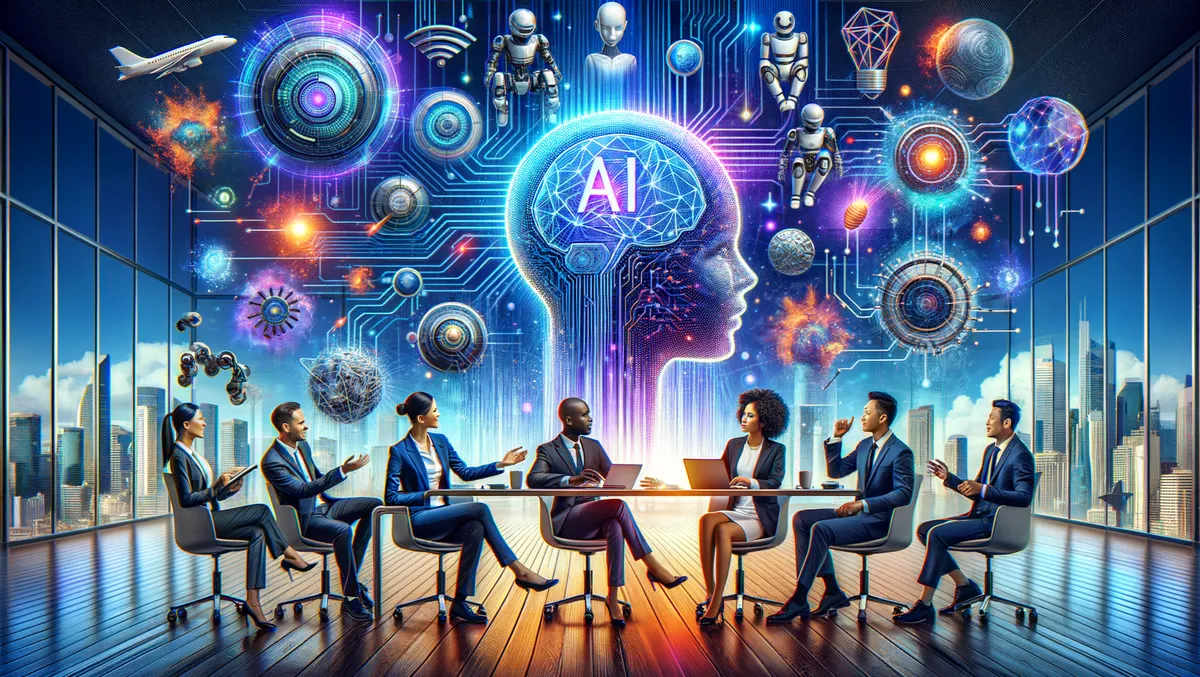
AI picture generation is the technique of utilizing machine learning models to create images from text or reference inputs.
A designer can type a brief cue, such as “a vintage poster with bold typography and glowing neon lighting,” and get a comprehensive, designed image in a matter of seconds rather than having to painstakingly illustrate or take pictures of a concept.
Diffusion models, a type of models that learn to transform random noise into identifiable images, are used by the majority of generators.
These models learn to interpret color, texture, lighting, and perspective by training on millions of instances over time.
This technology translates into freedom for designers. It enables the production of idea graphics, styled artwork, and realistic scenes that could normally take hours. The generated images can be adjusted, scaled, or combined with typographic and layout capabilities thanks to platforms like Kittl that incorporate this functionality right into their editor.
Instead of exporting AI Image Generation outputs as raw assets, we transform them and assist you in smoothly integrating them into your design.
How does AI image generation work for designers?
An AI image generator takes a set of logical actions to make a concept come to life when you submit a prompt.
Understanding your prompt
The AI initially divides your content into its essential components: subjects, adjectives, artistic styles, and actions. For instance, the prompt “a detailed watercolor poster of a city street at night” describes the atmosphere (nighttime), subject (city street), and style (watercolor).
Building visual concepts
The model imagines what each component of your prompt may look like using its training data. Based on those details, it generates a visual map that specifies composition, color balance, and texture.
Generating the image
The algorithm begins with random digital noise and eventually transforms it into an image that matches your description by making thousands of tiny modifications. This is an example of the diffusion process.
Refining and enhancing results
After the initial render, a lot of platforms allow you to change the aspect ratio, lighting, or style strength. Additionally, some technologies enable image-to-image generation, in which the output is guided by a reference photo or drawing that you input.
Personal Experience
I used these tools last year before I wrote this. I did not just look at what the official website says about these tools. I wanted to tell you what it is, like to use these tools when you are working. The things I liked about these tools and the things that were annoying.
10 most popular AI image generators in 2026
It’s important to consider the wider picture before delving more into how AI-powered optimization fits into the design cycle. Understanding the top tools in the rapidly developing field of AI picture generation enables designers to select the best one for their objectives.
From enterprise-grade solutions to creative art generators, Kittl has closely monitored every significant advancement and innovation influencing this field. We (and you) can envision where the industry is going and how these tools can work together to make design faster, smarter, and more creative when we know what each platform does well.
1. Kittl AI Suite
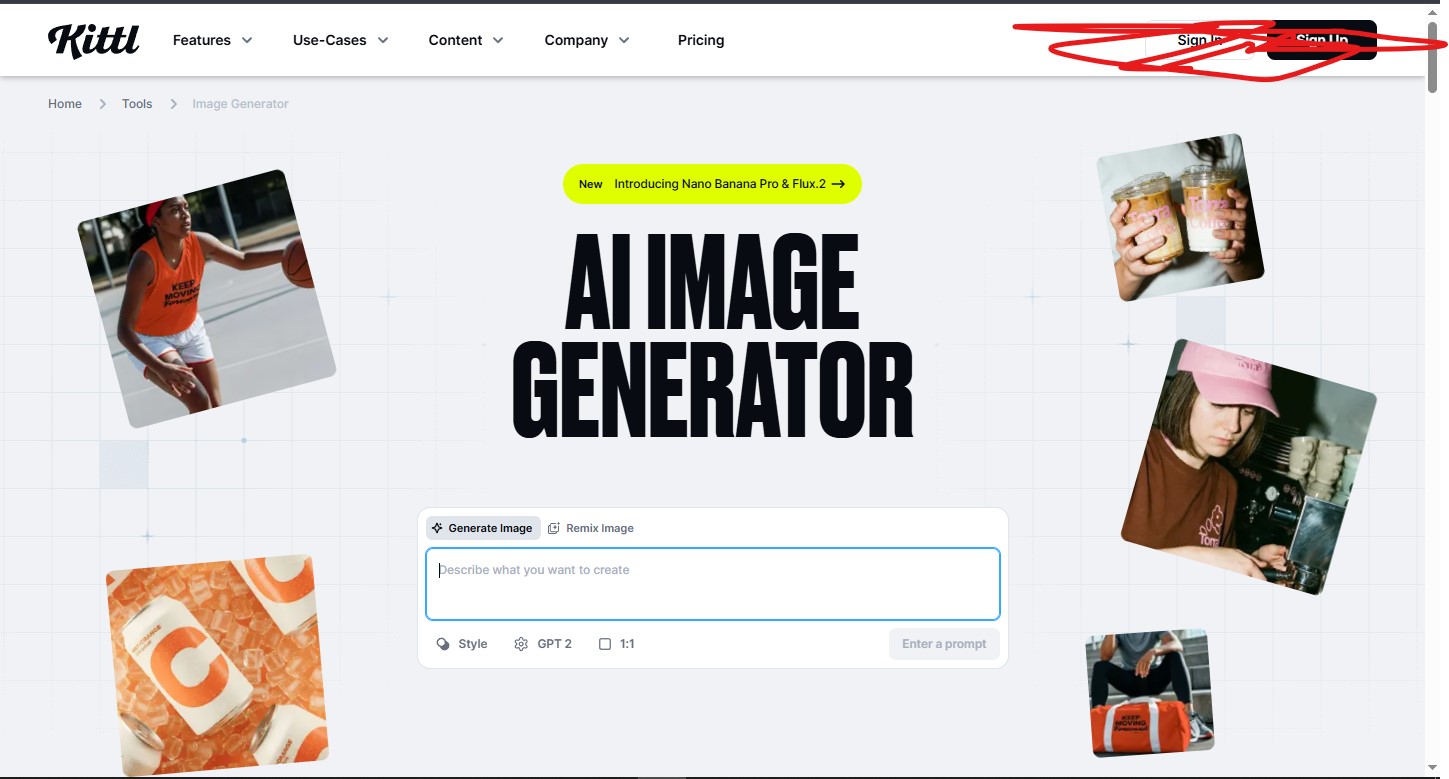
Design-ready outcomes are the goal of Kittl’s integrated AI generators. It’s a full creative environment with models like Nano Banana for realistic lighting, Seedream 3 for styled artwork, and Google Image 4 for high-fidelity, cinematic graphics. In one location, designers may create, modify, vectorize, and complete their visuals. It’s impossible to overlook Kittl’s AI Image Generation.
2. Midjourney
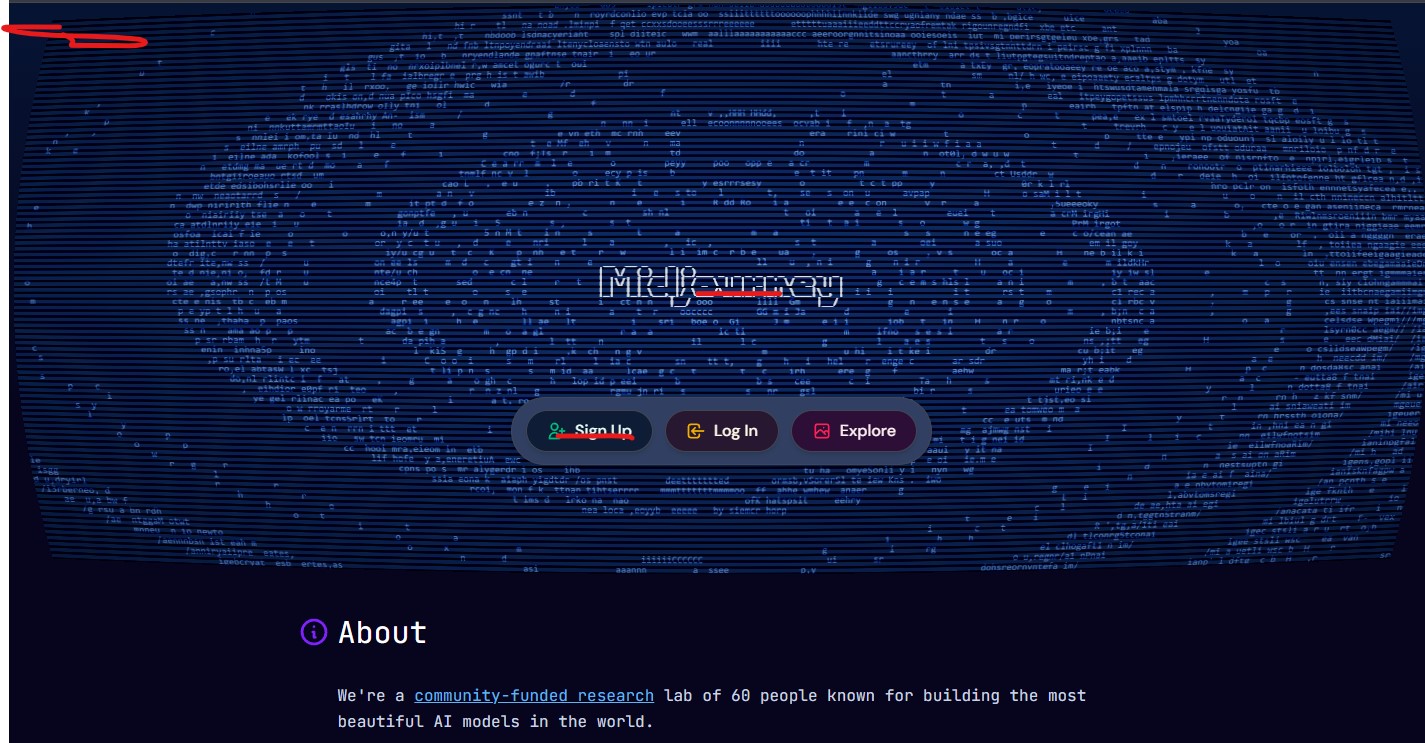
With the release of Version 7, which is currently the platform’s default model, Midjourney continues to develop its creative capabilities. The Midjourney Update Log states that V7 features improved prompt comprehension, crisper image quality, and a new “omni-reference” system that keeps characters and objects consistent between scenes.
3. DALL·E 3
One of the most sophisticated text-to-image models on the market today, DALL·E 3 is supported by OpenAI and is renowned for its remarkable accuracy and realism in interpreting difficult prompts.
This version “understands significantly more nuance and detail” than its predecessors, generating visuals that remain loyal to user intent, according to OpenAI’s official overview.
4. Leonardo AI
Leonardo AI is a creative platform that’s garnered momentum for fantasy art, idea design, and gaming images. Its official website states that it currently provides production-quality tools for creating photos, textures, and even movies to over 18 million producers.
Its new motion-video capabilities and sophisticated editing tools are highlighted in a recent review by Cybernews. With features like Motion 2.0, artists can now turn a straightforward instruction into an animated scenario.
5. Adobe Firefly 3
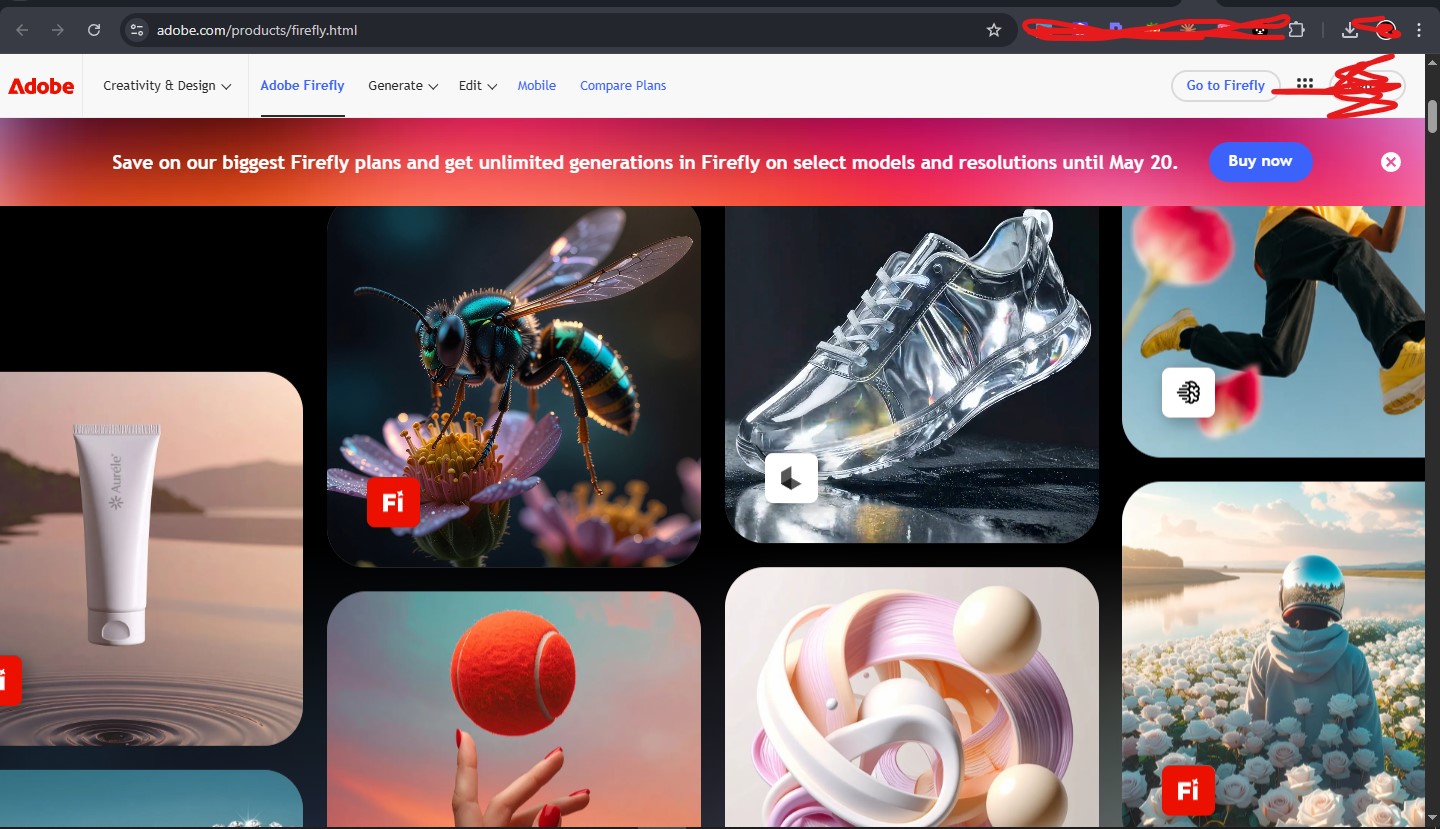
Adobe’s response to AI generation is Firefly, which emphasizes appropriate licensing and commercial use. It is a perfect fit for creative professionals who currently use the Adobe ecosystem because its outputs are secure for client work and seamlessly connect with Adobe products like Photoshop and Illustrator.
6. Google Image 4
With much better photorealism, finer detail, and clearer typography, Google DeepMind’s most recent text-to-image model, Imagen 4, pushes the limits of visual production.
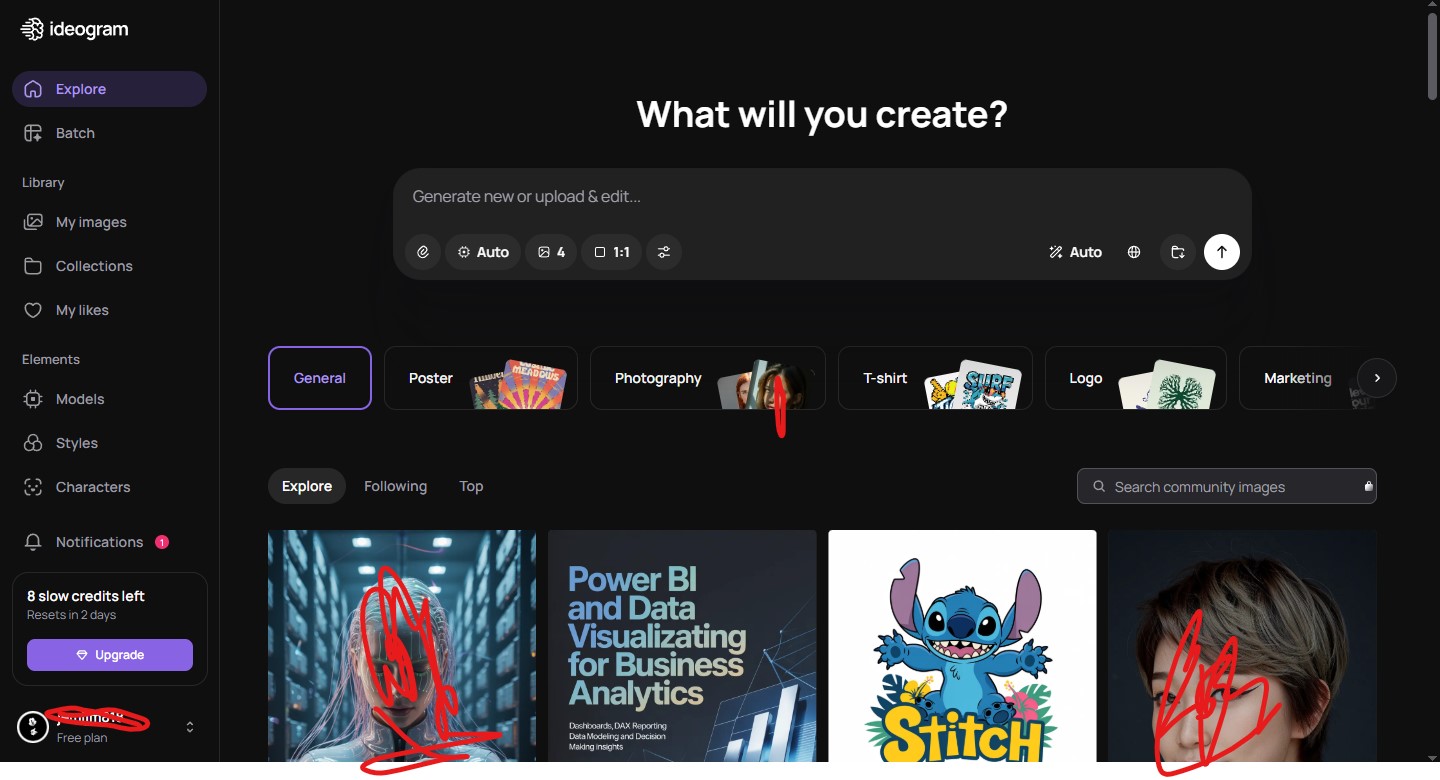
7. Ideogram
Ideogram’s superior text rendering and design-focused approach make it stand out in the AI-image generating market.
Ideogram 3.0, the company’s most recent model, was published on March 26, 2025. It offers improved realism, additional style options, and more powerful editing capabilities specifically designed for typography and poster design.
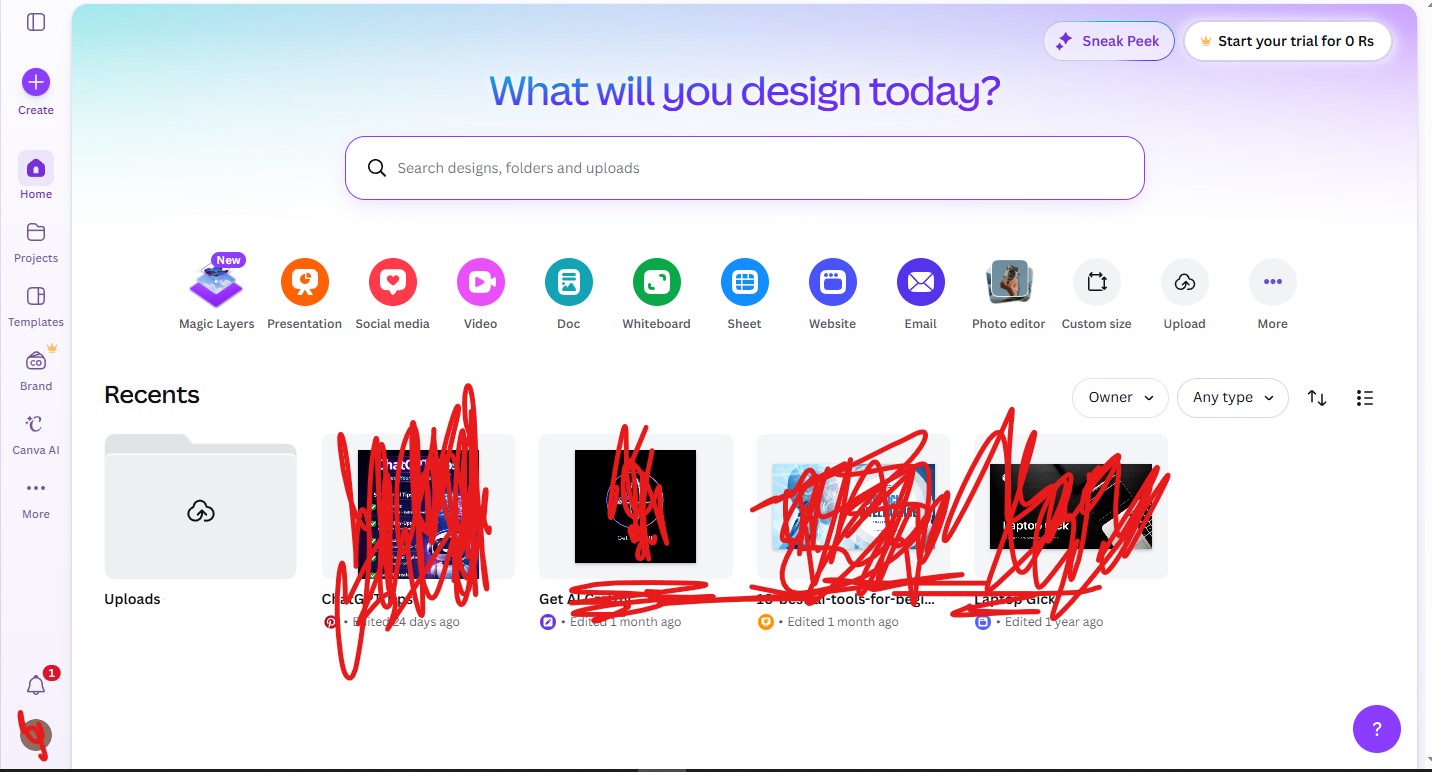
8. Canva Magic Media
As part of its Visual Suite 2.0 update in 2025, they increased Canva Magic Media’s functionality by combining design, editing, and creation into a one, cohesive workplace.
Magic Media may help you when you need quick, useful images for social media posts, presentations, or campaign assets, even if it lacks the deep artistic flexibility of specialized generators like Midjourney or Ideogram.
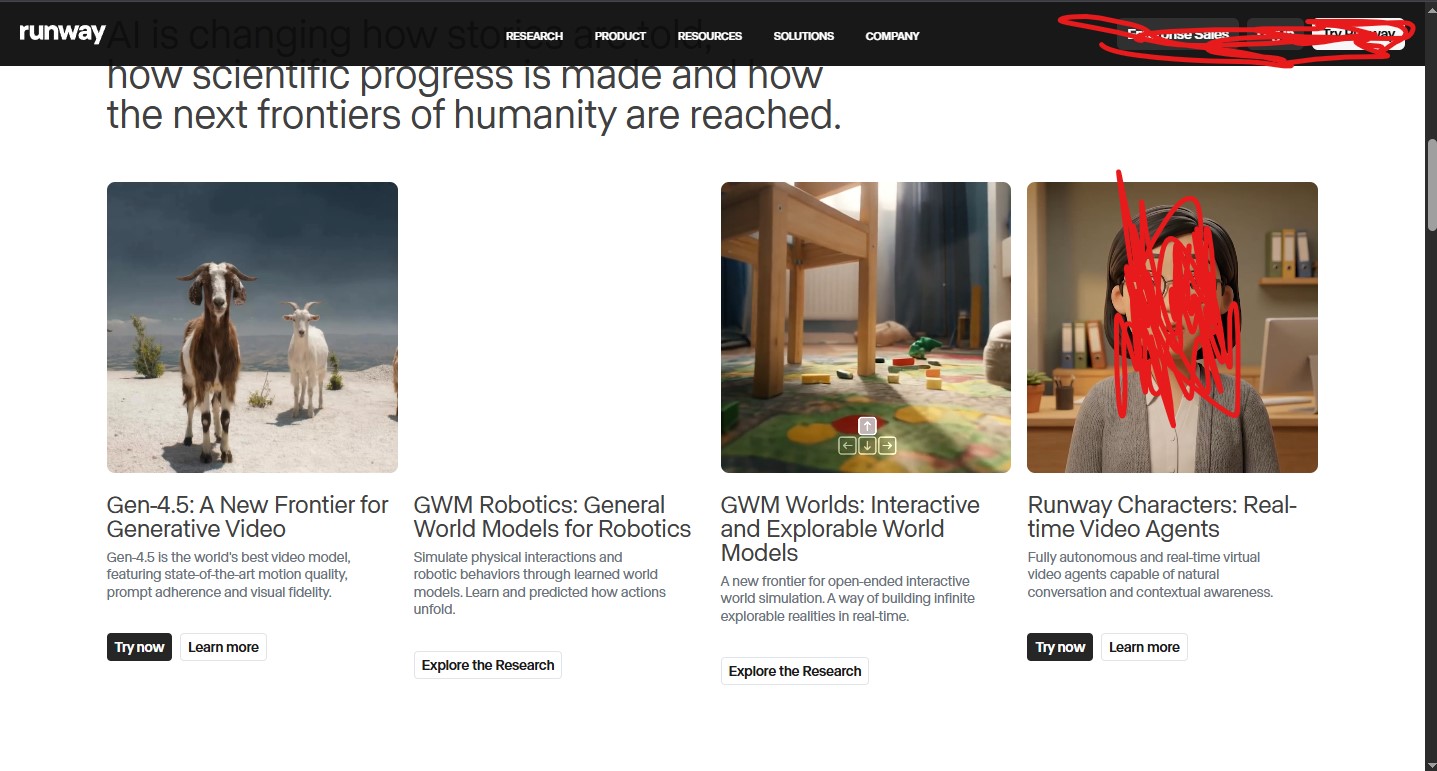
9. Runway ML
By providing designers and filmmakers with a single platform to combine static and moving imagery, Runway ML continues to erode the boundaries between image and video creation.
The company’s most recent innovations include the Gen-4 Turbo model, which accelerates the creation of videos, and Gen-4 References, which enhance object control and consistency across frames.
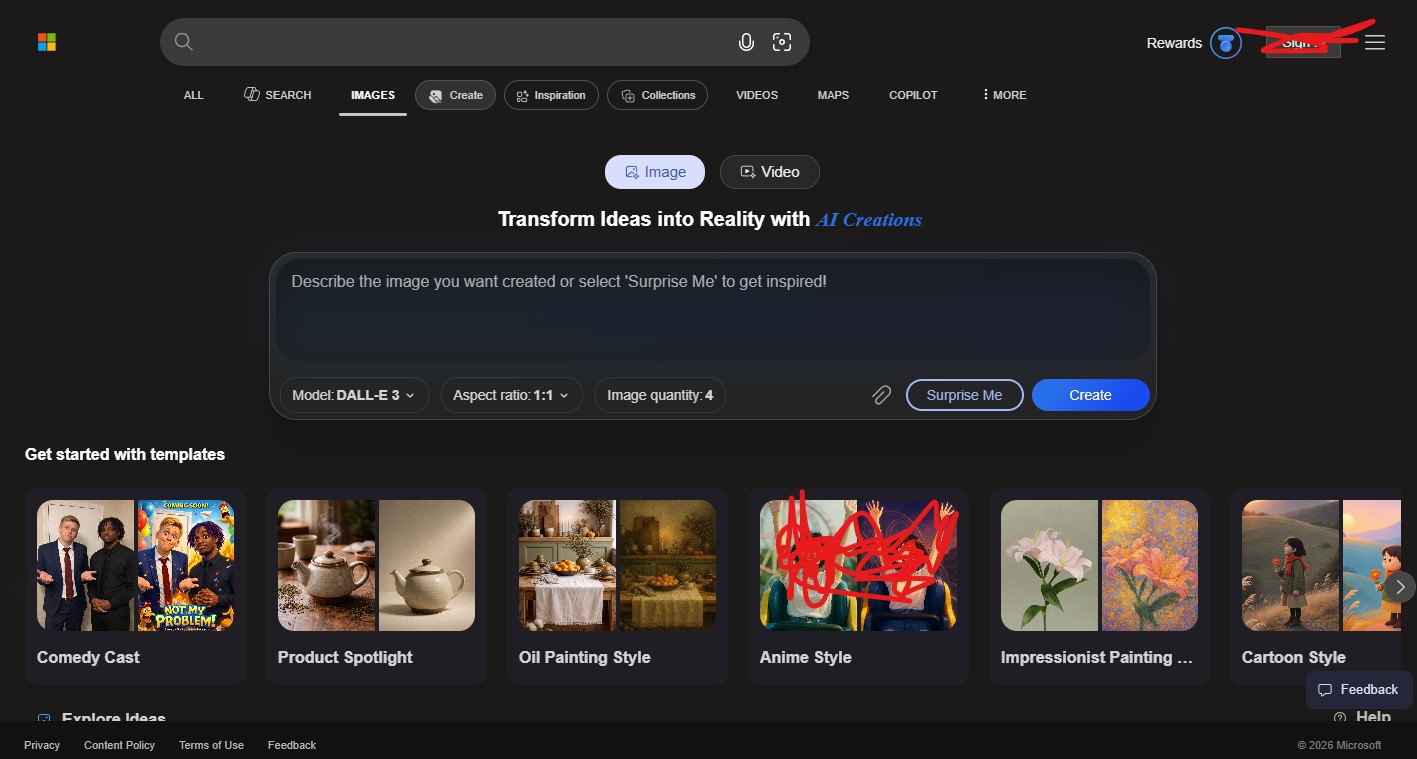
10. Bing Image Creator
Microsoft said in August 2025 that GPT-4o and DALL·E 3 models are now included in Bing Image Creator, giving free users greater realism and a wider selection of styles.
The official Bing Search Blog has verified this upgrade. Not all upgrades, nevertheless, have been successful. In response to customer input, Microsoft temporarily halted the release of a new model version (PR16) earlier in 2025, according to TechCrunch.
Key takeaway: The future of AI in design
AI is starting to play a major role in how professionals think, create, and deliver. According to McKinsey’s most recent research, generative AI could boost the world economy by up to $4.4 trillion annually, with the design and marketing industries expected to gain the most.
This increase is indicative of a broader trend: automation and creative tools are combining to speed up and improve the expressiveness of design.
Creativity and productivity are converging. The repetitious aspects of design work are being replaced by AI. For example, formatting, background removal, or scaling. They are making time for the development of ideas and narrative.
Collaboration is becoming more fluid. Instead of waiting for complete drafts, clients and designers can now communicate through images and use AI to prototype ideas in real time.
Roles in design are changing, not going away. The position of the designer is changing to include strategy, curation, and creative direction as AI becomes a creative collaborator.
The design workflow is unifying. Designers can go from concept to final product with ease thanks to platforms like Kittl, which combine generating, editing, and export tools in one location.
James Eco is an AI tools researcher and content
creator with 3+ years of experience testing and
reviewing AI tools for creators and businesses.
At Get AI Craftly, he provides honest, hands-on
reviews to help readers choose the best AI tools.