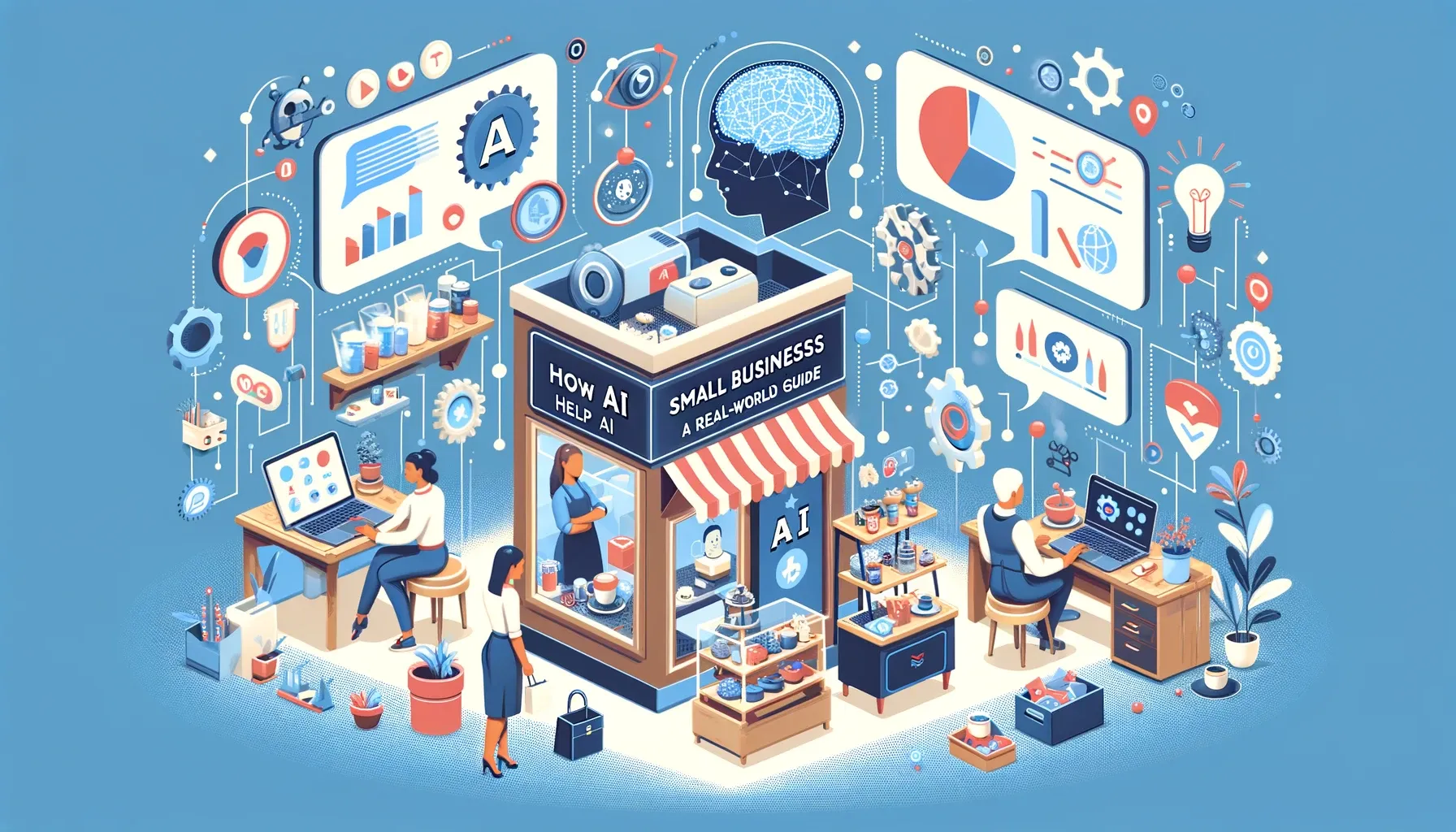
Artificial Intelligence (AI) is no longer just for big companies. Small businesses are now using AI to work faster, smarter, and more efficiently. What once seemed complex is now simple and accessible.
From automating daily tasks to improving customer support, AI is helping businesses do more with less. It saves time, reduces costs, and boosts productivity without needing a large team.
In today’s competitive market, staying ahead is crucial. Businesses that adopt AI early are gaining a strong advantage. They respond faster, serve customers better, and grow quicker.
The Rise of the Connected, AI-Driven Business
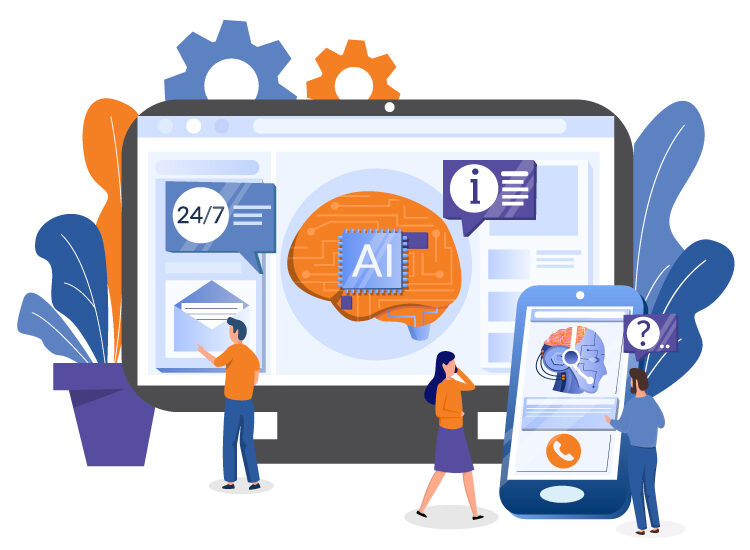
The way businesses interact with customers has changed. Today, buyers expect fast responses, personalized experiences, and smooth communication across every channel. This shift has led to the rise of AI-driven, connected businesses.
AI is no longer just a support tool. It now plays a central role in how businesses attract, engage, and retain customers. Everything is becoming more connected, from marketing to sales to customer service.
AI-Powered Customer Journeys
Modern customers don’t follow a straight path. They may discover a business on social media, visit the website, ask questions via chat, and make a purchase later. AI helps connect all these touchpoints into one seamless journey.
With AI, businesses can:
- Track customer behavior in real time
- Understand preferences and intent
- Deliver personalized recommendations
- Automate follow-ups and responses
This means every customer gets a tailored experience. Instead of generic messages, they see content and offers that match their needs. As a result, engagement increases and conversions improve.
AI also reduces manual work. Tasks like responding to common queries, sending emails, or qualifying leads can be handled automatically. This allows business owners to focus on growth rather than repetitive work.
Omnichannel Communication and Automation
Customers today use multiple platforms. They might message on WhatsApp, email, or social media—all in the same day. Businesses need to be present everywhere without losing consistency.
AI makes omnichannel communication possible. It connects all platforms into one system, ensuring smooth and unified interactions.
Key advantages include:
- Consistent messaging across all channels
- Instant replies through AI chatbots
- Centralized customer data for better insights
- 24/7 availability without extra staff
For example, if a customer starts a conversation on one platform, AI can continue it on another without losing context. This creates a seamless experience that builds trust and satisfaction.
Automation also plays a major role. AI can schedule posts, send reminders, and trigger actions based on customer behavior. This ensures no opportunity is missed.
Key Benefits of AI for Small Businesses
Artificial Intelligence is not just a trend. It delivers real, measurable benefits for small businesses. Whether you are just starting out or trying to scale, AI can make a big difference in how you operate and grow.
Saving Time and Reducing Costs
One of the biggest advantages of AI is automation. Many daily tasks that once took hours can now be done in minutes.
AI can handle:
- Responding to common customer queries
- Scheduling emails and social media posts
- Managing data entry and reports
This reduces the need for manual work. You don’t have to hire extra staff for repetitive tasks. As a result, operational costs go down while efficiency goes up.
Time is one of the most valuable resources for any small business. AI gives you more of it by taking care of routine work in the background.
Improving Customer Experience
Customers expect quick replies and personalized service. AI helps you meet these expectations without stress.
With AI tools, businesses can:
- Provide instant responses through chatbots
- Offer personalized product or service recommendations
- Analyze customer behavior for better targeting
This creates a smoother and more satisfying experience for customers. When customers feel understood and valued, they are more likely to return and recommend your business to others.
Better customer experience directly leads to higher retention and increased sales.
Scaling Operations Efficiently
Growth often brings challenges. More customers mean more work, more communication, and more complexity. AI helps you scale without losing control.
Instead of increasing your team size, AI allows you to handle more work with the same resources. For example:
- One chatbot can handle hundreds of conversations at once
- Automated systems can process large amounts of data instantly
- Marketing campaigns can run continuously with minimal input
This makes scaling faster and more affordable. You can expand your business without being overwhelmed by operations.
How AI is Used in Small Businesses Today
AI is already transforming how small businesses operate. It is being used in multiple areas to simplify work, improve results, and save time. From marketing to finance, AI tools are helping businesses become more efficient and competitive.
Sales and Marketing Automation
AI makes marketing smarter and more targeted. Instead of guessing what customers want, businesses can use data to make better decisions.
AI helps with:
- Creating personalized email campaigns
- Running targeted ads based on user behavior
- Predicting which leads are most likely to convert
- Automating follow-ups and promotions
This means you reach the right audience at the right time. Marketing becomes more effective, and sales increase without extra effort.
Customer Support and Communication
Customer service is one of the most important parts of any business. AI helps provide fast and reliable support without needing a large team.
Common uses include:
- Chatbots that answer questions instantly
- AI assistants that handle customer inquiries 24/7
- Automated ticket systems for managing issues
These tools reduce response time and improve customer satisfaction. Even small businesses can now offer support similar to large companies.
Content Creation and Creative Tasks
Creating content regularly can be time-consuming. AI makes this process faster and easier.
Businesses use AI for:
- Writing blog posts, emails, and product descriptions
- Generating social media captions and ideas
- Creating images and basic design elements
This helps maintain a consistent online presence without hiring a full creative team.
Financial Management and Bookkeeping
Managing finances can be complex, especially for small businesses. AI simplifies this by automating many financial tasks.
AI tools can:
- Track expenses and income automatically
- Generate financial reports
- Predict cash flow trends
- Detect unusual transactions
This reduces errors and helps business owners make better financial decisions.
Operational Efficiency and Workflow Automation
AI improves how daily operations are managed. It connects different tools and automates workflows to reduce manual effort.
Examples include:
- Automating repetitive tasks like data entry
- Managing inventory and supply levels
- Scheduling meetings and tasks
- Streamlining internal communication
With better workflows, businesses run more smoothly. Teams can focus on important tasks instead of routine work.
Essential AI Tools Every Small Business Should Consider
Choosing the right AI tools can make a huge difference in how your business performs. You don’t need dozens of tools. A few well-chosen ones can handle most of your work and deliver strong results.
Below are the key categories of AI tools every small business should explore.
AI for Communication and Customer Intelligence
Good communication builds strong relationships. AI tools help you stay connected with customers while understanding their needs better.
These tools can:
- Manage conversations across email, chat, and social media
- Analyze customer data to identify trends and preferences
- Provide insights into customer behavior and satisfaction
With AI, you can respond faster and make smarter decisions based on real data. This leads to better engagement and stronger customer loyalty.
AI for Marketing and Content Creation
Marketing requires consistent content and smart targeting. AI tools make both easier.
They help with:
- Writing blog posts, ads, and email campaigns
- Generating social media content and ideas
- Optimizing content for better reach and engagement
- Analyzing campaign performance
This allows you to maintain a strong online presence without spending too much time or money. Even small teams can run effective marketing campaigns.
AI for Sales and Lead Generation
Finding and converting leads is essential for growth. AI tools can simplify and improve this process.
They can:
- Identify high-quality leads automatically
- Score and prioritize prospects
- Automate follow-ups and outreach
- Predict sales trends and outcomes
This means you spend less time chasing unqualified leads and more time closing deals.
AI for Productivity and Team Collaboration
Running a business involves managing tasks, teams, and workflows. AI tools help keep everything organized and efficient.
They assist with:
- Task management and scheduling
- Automating repetitive workflows
- Organizing documents and knowledge
- Improving team communication
With better productivity tools, your team can work faster and stay focused on important tasks.
How to Choose the Right AI Tools
With so many AI tools available, choosing the right one can feel overwhelming. Not every tool will fit your business needs. The key is to focus on what truly adds value and supports your goals.
Key Features to Evaluate
Before selecting any AI tool, look at what it actually offers. A good tool should solve a real problem, not just add complexity.
Important features to consider include:
- Ease of use and simple interface
- Automation capabilities
- Accuracy and reliability of results
- Customization options for your business needs
- Customer support and regular updates
Always choose tools that are practical and easy to adopt. Complicated systems can slow you down instead of helping you grow.
Budget vs Value Considerations
Price matters, especially for small businesses. But the cheapest option is not always the best.
Instead of focusing only on cost, think about value:
- Will this tool save time?
- Can it reduce the need for hiring?
- Will it increase sales or efficiency?
Many AI tools offer free trials or basic plans. Start with those and upgrade only when you see clear benefits.
Investing in the right tool can quickly pay for itself through improved productivity and results.
Ease of Integration and Scalability
Your AI tools should work well with the systems you already use. If a tool doesn’t integrate smoothly, it can create more problems than it solves.
Look for tools that:
- Connect easily with your existing software (CRM, email, etc.)
- Require minimal technical setup
- Can grow with your business over time
Scalability is important. As your business expands, your tools should be able to handle more data, more users, and more tasks without needing a complete replacement.
Best Practices for Implementing AI
Adopting AI is not just about choosing the right tools. It’s about using them in the right way. A smart implementation strategy ensures you get real results without confusion or wasted effort.
Start Small and Scale Gradually
One common mistake is trying to do everything at once. This often leads to overwhelm and poor results.
Instead, begin with one area where AI can make an immediate impact. For example:
- Automating customer support with a chatbot
- Using AI for content creation
- Improving email marketing campaigns
Once you see results, expand to other areas. This step-by-step approach reduces risk and helps you understand what works best for your business.
Train Your Team Effectively
AI tools are only useful if your team knows how to use them. Proper training is essential for success.
Make sure your team:
- Understands the purpose of the tool
- Knows how to use key features
- Follows clear workflows and guidelines
You don’t need deep technical knowledge. Most modern AI tools are user-friendly. A little training can go a long way in improving productivity and confidence.
Measure ROI and Performance
To know if AI is working, you need to track results. Without measurement, it’s hard to see real value.
Focus on key metrics such as:
- Time saved on daily tasks
- Increase in sales or conversions
- Improvement in customer response time
- Reduction in operational costs
Regularly review performance and make adjustments when needed. If a tool isn’t delivering results, refine your approach or consider alternatives.
Common Challenges and How to Overcome Them
While AI offers many benefits, it also comes with challenges. Small businesses may face difficulties when adopting new tools and technologies. The good news is that most of these challenges can be managed with the right approach.
High Initial Learning Curve
Getting started with AI can feel confusing. Many tools come with new features, dashboards, and workflows that take time to understand.
How to overcome it:
- Choose beginner-friendly tools with simple interfaces
- Start with basic features instead of advanced ones
- Use tutorials, guides, and customer support
With a little practice, AI tools become much easier to use. The key is to stay consistent and patient during the learning phase.
Data Privacy and Security Concerns
AI tools often rely on data to function effectively. This can raise concerns about how your business and customer data is handled.
How to overcome it:
- Use trusted and well-reviewed AI platforms
- Check privacy policies and data protection measures
- Limit sharing of sensitive information
Being cautious with data ensures you maintain customer trust while still benefiting from AI capabilities.
Integration Issues with Existing Systems
Sometimes AI tools don’t work smoothly with the software you already use. This can create inefficiencies instead of solving problems.
How to overcome it:
- Choose tools that offer easy integrations with popular platforms
- Test compatibility before committing long-term
- Use automation tools that connect different systems
Proper integration ensures all your tools work together seamlessly, improving overall efficiency.
Real-World Success Stories
AI is not just theory anymore. Small businesses around the world are already using it to grow faster, reduce costs, and improve customer experience. These real-world outcomes show how powerful AI can be when applied correctly.
Improved Efficiency and Automation
Many small businesses struggle with limited staff and heavy workloads. AI helps solve this problem by automating repetitive tasks.
For example, businesses using AI-powered tools for customer support have been able to handle hundreds of inquiries without hiring additional staff. Chatbots respond instantly to common questions, while human teams focus on complex issues.
Similarly, AI tools for scheduling, email automation, and data entry have reduced manual work significantly. This allows teams to complete more tasks in less time, improving overall efficiency.
Faster Time to Market
Speed matters in today’s competitive environment. Businesses that can launch products or campaigns quickly often gain an advantage.
AI helps reduce the time needed for:
- Creating marketing content
- Designing visuals and ads
- Writing product descriptions
- Analyzing market trends
Small businesses using AI-powered content tools can now produce high-quality materials in hours instead of days. This faster workflow allows them to react quickly to market changes and customer demands.
Enhanced Customer Engagement
Customer engagement has improved significantly for businesses that use AI tools effectively. Personalized communication plays a major role here.
AI helps businesses:
- Send targeted messages based on customer behavior
- Recommend products or services that match user interests
- Provide instant support at any time of day
As a result, customers feel more valued and understood. This leads to higher satisfaction, stronger loyalty, and repeat business.
The Future of AI in Small Business
AI is evolving quickly, and its role in small businesses will continue to grow. What we are seeing today is only the beginning. In the near future, AI will become even more deeply integrated into everyday business operations.
AI-Powered Operations and Decision-Making
Future AI systems will not just assist with tasks—they will help make decisions.
Businesses will be able to use AI to:
- Predict customer demand with higher accuracy
- Suggest pricing strategies based on market conditions
- Optimize inventory automatically
- Identify business risks before they happen
Instead of reacting to problems, businesses will become more proactive. AI will act like a smart advisor, guiding decisions with real-time insights.
Beyond Automation: Intelligent Business Systems
Today, AI is mostly used for automation. But the next stage is intelligence-driven systems that manage entire workflows.
In the future, we will see:
- Fully automated marketing systems that run campaigns end-to-end
- AI-driven customer service that understands emotions and intent
- Smart financial systems that manage budgeting and forecasting
- Connected platforms where all business functions communicate seamlessly
This means fewer manual decisions and more self-running systems. Small businesses will operate more efficiently with less effort.
A More Competitive Business Landscape
As AI becomes more accessible, competition will increase. Businesses that adopt AI early will have a strong advantage.
Those that delay adoption may struggle to keep up with:
- Faster service expectations
- Higher customer personalization standards
- Increasing automation across industries
At the same time, AI will also level the playing field. Small businesses will be able to compete with larger companies by using the same advanced tools.
Frequently Asked Questions
What is the best AI tool for small businesses?
There is no single “best” AI tool for every business. It depends on your needs. For example, tools like ChatGPT are great for writing and ideas, while HubSpot is better for marketing and customer management. Small businesses should choose tools based on their goals, budget, and workflow requirements.
Is AI affordable for small businesses?
Yes, AI is now very affordable. Many tools offer free plans or low-cost subscriptions. Small businesses can start with basic versions and upgrade later as they grow. In most cases, the time saved and productivity gained outweigh the cost of using AI tools.
Can small businesses compete with large enterprises using AI?
Absolutely. AI helps level the playing field. Small businesses can now access the same automation, analytics, and marketing capabilities as large companies. With the right tools, even a small team can operate efficiently and compete in larger markets.
Do I need technical skills to use AI tools?
No, most modern AI tools are designed for non-technical users. They come with simple dashboards, templates, and step-by-step guidance. Basic computer skills are usually enough to get started.
How quickly can I see results from AI tools?
Results can be seen quickly, often within weeks. For example, automation tools can save time immediately, while marketing tools may show improved engagement and conversions in a short period. The key is consistent use and proper setup.
Are AI tools safe for business data?
Most reputable AI platforms use strong security and encryption. However, it is important to choose trusted providers and avoid sharing highly sensitive data. Always review privacy policies before using any tool.
Conclusion
Artificial Intelligence is no longer optional for small businesses. It has become a practical tool for improving speed, efficiency, and customer experience. From marketing and sales to operations and support, AI is changing how businesses operate at every level.
The biggest advantage is simple: AI helps you do more with less. Less time, less cost, and less manual effort. At the same time, it delivers better results and stronger growth potential.
You don’t need to adopt everything at once. Start small. Choose one area of your business where AI can help immediately. Learn, test, and expand step by step.
Businesses that embrace AI early will stay ahead of the competition. They will work smarter, respond faster, and scale more easily.

James Eco is an AI tools researcher and content
creator with 3+ years of experience testing and
reviewing AI tools for creators and businesses.
At Get AI Craftly, he provides honest, hands-on
reviews to help readers choose the best AI tools.